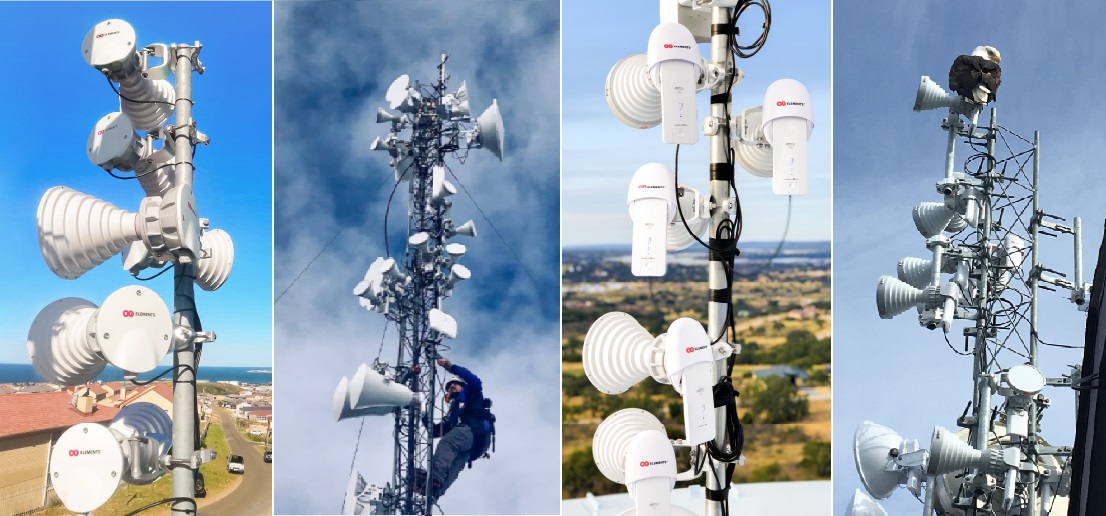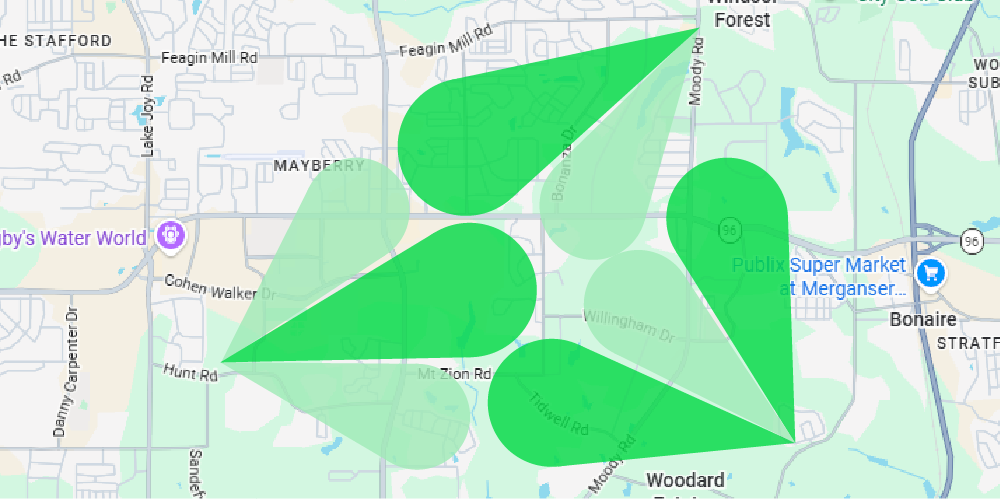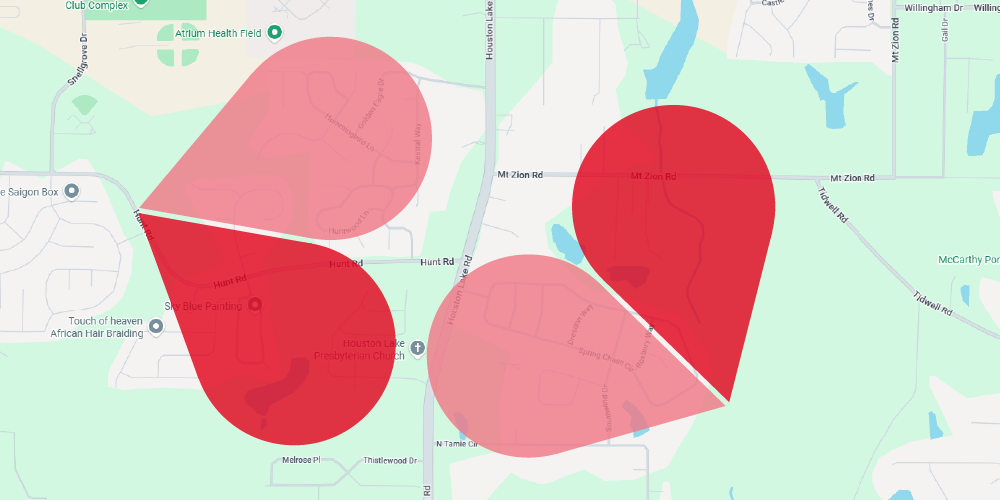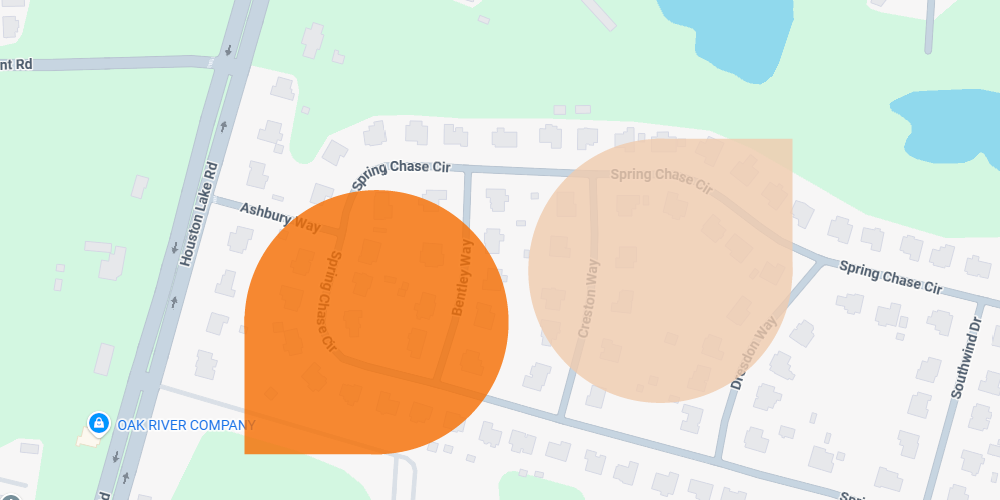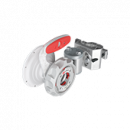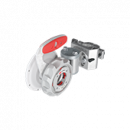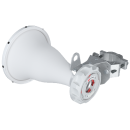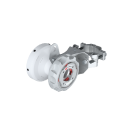
Symmetrical Horn

RF elements Symmetrical Horn antennas provide precise beam patterns with equal azimuth and elevation beamwidths. Symmetrical Horn antennas help WISPs reduce unwanted noise, improve sector isolation, and build cleaner point-to-multipoint networks.

What Is a Symmetrical Horn Antenna?

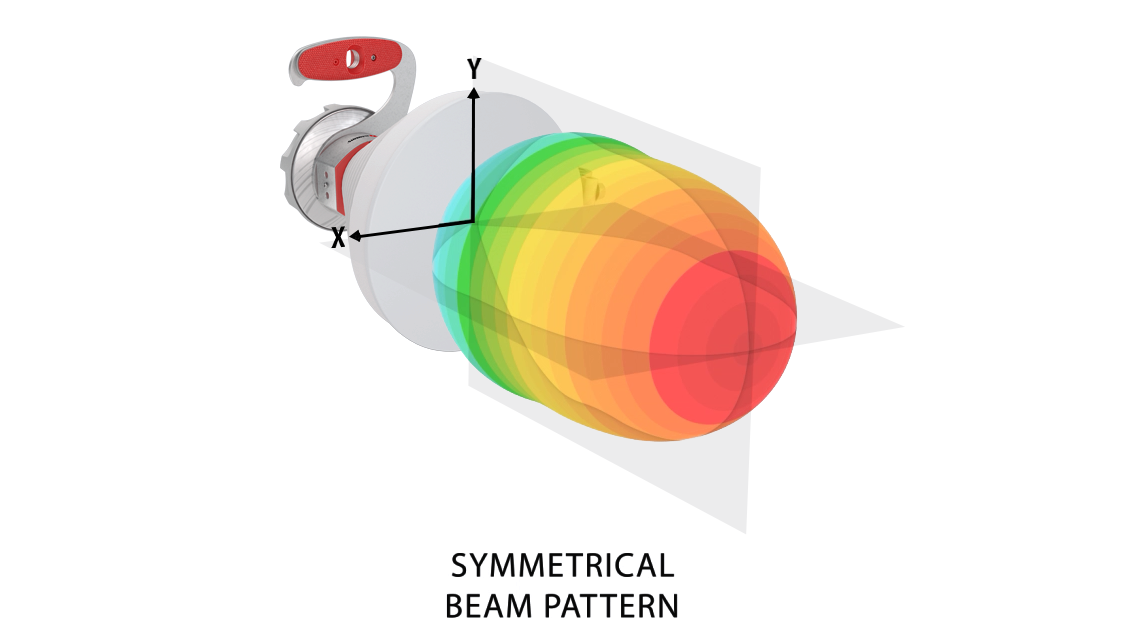
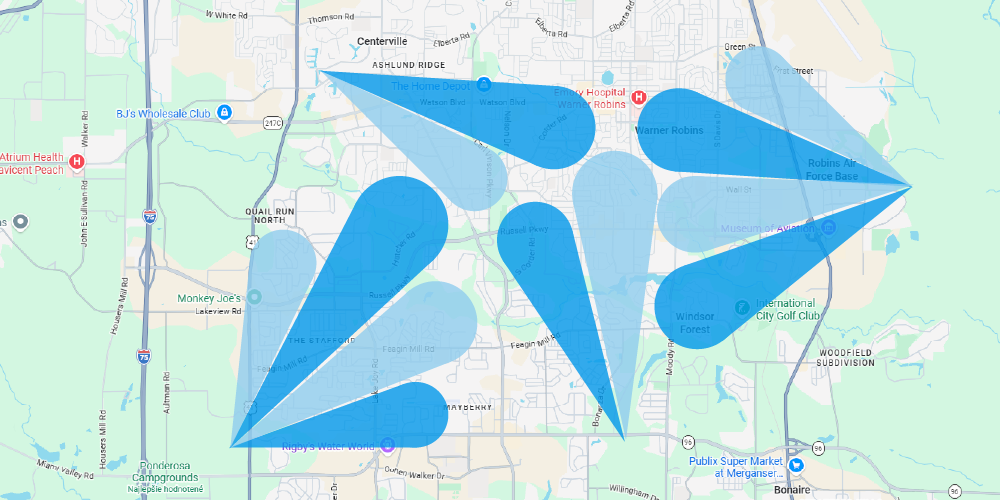
A Symmetrical Horn antenna is a travelling wave antenna that has the same beamwidth in both azimuth and elevation planes. This creates a clean, focused coverage area. The easiest visual parallel of a Symmetrical Horn Antenna beam is the conically shaped beam of a classic torchlite.

rf elements symmetrical horn antenna beam pattern 3d view

RF elements Symmetrical Horn Antennas provide strongly suppressed side lobes. The suppression is so deep, that some product families can be called as they have virtually no sidelobes.

The result is better control over where the antenna receives and transmits energy, which directly translates to less unwanted noise from the surrounding RF environment.

Why WISPs Use Symmetrical Horns

Noise Rejection & Network Scalability

Precisely controlled radiation patterns help reduce unwanted signal collection from outside the intended coverage area and allow for unprecedented sector density.

WISPs networks gain scalability that would be impossible with legacy sector antennas.

Better Sector Isolation Enabling Spectrum Reuse

Precise beam control makes it easier to deploy multiple sectors on the same site. High isolation between sectors on the tower helps operators reuse available channels more efficiently.

rf elements symmetrical horns co ocation cluster antennas site

Predictable Coverage

Traditional sector antennas have a very flat beam with narrow elevation beamwidth, which often creates signal nulls for nearby clients. They can also be difficult to use in hills and mountains.

Symmetrical Horns provide a unique coverage pattern with optional ±20° mechanical tilt, ensuring optimal coverage for close-range clients as well as distant clients at different elevations.

Best Applications

Dense tower sites

When multiple radios operate from the same location and isolation is required.


High-noise environments

When the antenna must reject signals from unwanted directions.


MicroPoP and small-sector deployments

When precise, limited coverage is more useful than broad, high-distance sector coverage.


Point-to-multipoint access networks

When stable, repeatable sector antenna performance is required.
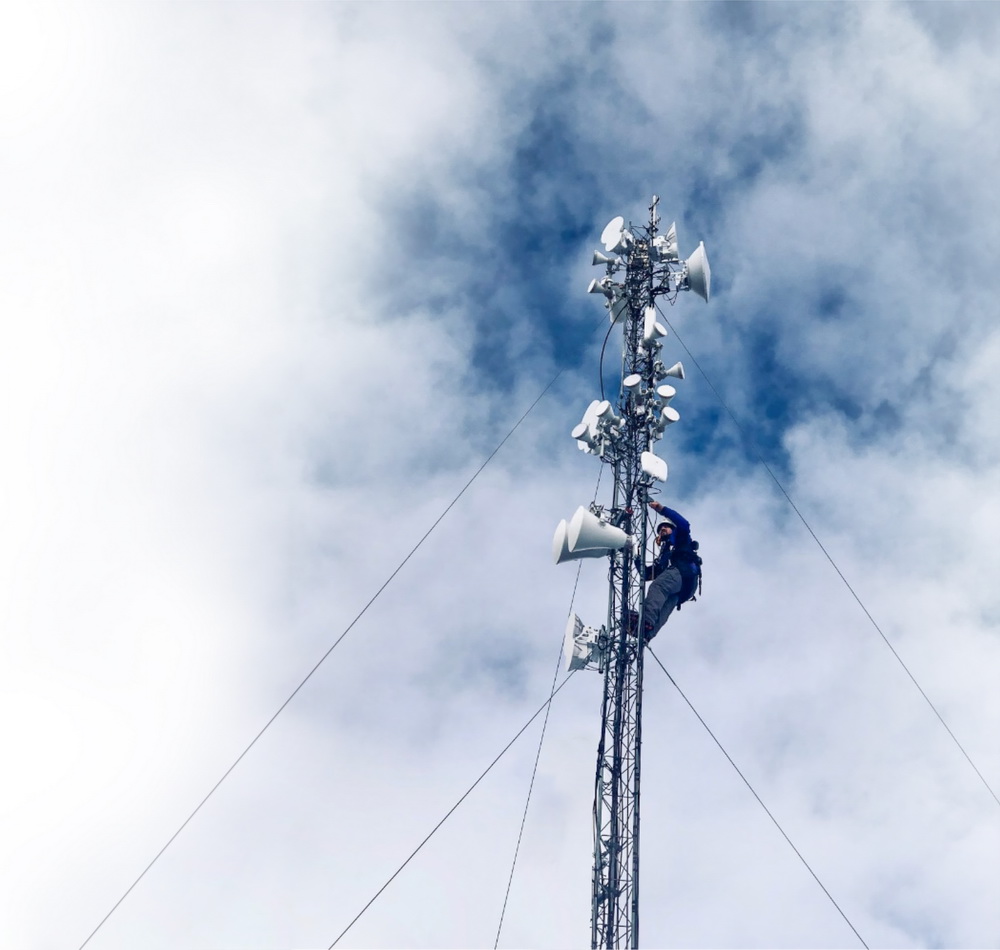
rf elements symmetrical horns ultrahorn dense colocaltion deployment tower

Evolved Through Generations

Since 2014, Symmetrical Horn Antennas have evolved in every important area: RF performance, operating bandwidth, materials, radome design, mounting, and installation. Long-term customer adoption in real WISP networks has guided this evolution from one generation to the next. Each generation improved how the antenna controls RF energy, withstands outdoor conditions, and fits tower deployment needs.

The latest Wideband models combine 5 + 6 GHz performance, deeply suppressed side lobes, corrosion-resistant materials, stable multi-layer radomes, compact dimensions, and lightweight construction. The result is the most advanced Symmetrical Horn Antenna family we have ever built - ready for scalable WISP deployments, new radio platforms and long-term field performance. 
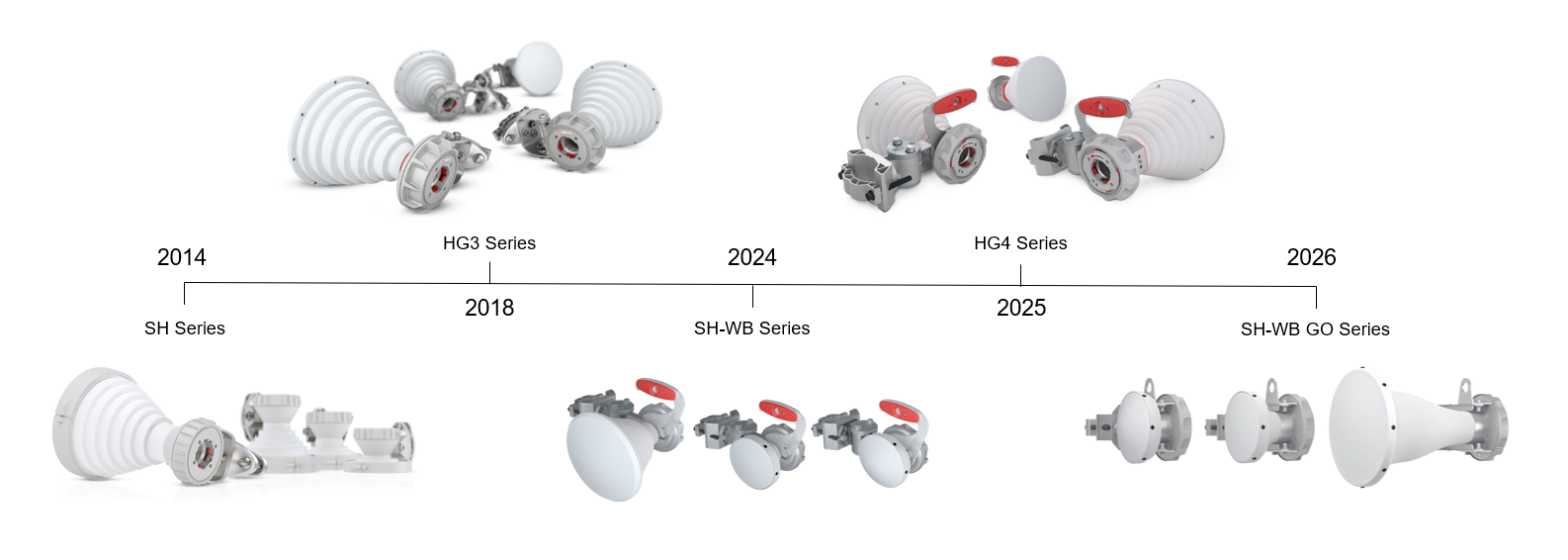
rf elements symmetrical horn antennas timeline evolution

180,000+ Symmetrical Horns Deployed

Since their introduction in 2014, RF elements customers have deployed more than 180,000 Symmetrical Horn Antennas worldwide, and the number keeps growing every month. This long-term field adoption shows that Symmetrical Horns are a proven tool used by WISPs in real networks, real tower sites, and demanding RF environments.

Service Providers choose Symmetrical Horns because they help solve problems that directly affect customer experience: unstable throughput, jumping modulation rates, high latency, and limited sector capacity.

Choose the Right Symmetrical Horn Series

Symmetrical Horn WB Series

Best for: New 5 and 6 GHz deployments

Frequency: 5 and 6 GHz wideband

Mounting: Advanced bracket with rich mounting features

Main Advantage: Future ready wideband performance with full mechanical features


Symmetrical Horn WB GO Series

Best for: Cost sensitive deployments

Frequency: 5 and 6 GHz wideband

Mounting: Practical aluminum mount with easy side swap

Main Advantage: Wideband performance at accessible price level


Select By Beamwidth

20° 

For narrow long-range sectors, high isolation, and dense co-location sites. CPE antenna in high noise environment.

SH20WB
20

30°

For narrow sectors, high noise rejection, and focused point-to-multipoint coverage. A strong all-round choice for many FWA deployments.

SH30WB   SH30WB-GO

30

60°

For balanced sector coverage in WISP networks, MicroPoPs, and general point-to-multipoint deployments.

SH60WB   SH60WB-GO

60

90°

For wider short-range coverage where a wide beamwidth is preferred. Suitable for MicroPoPs and selected outdoor Wi-Fi deployments.

SH90WB   SH90WB-GO

90

Symmetrical or Asymmetrical Horn?

The right antenna choice depends on coverage area, terrain, link distance, and required link budget. The right approach is to consider each antenna model as a tool in a Network Operator ToolBox. 


When to use Symmetrical Horns:

- high density deployments with narrow long-range sectors

- you need controlled coverage in both azimuth and elevation

- hilly terrain, valleys, vertically elevated areas

- MicroPoP deployments

- outdoor Wi-Fi


When to use Asymmetrical Horns:

- deployments where wide azimuth coverage is required

- you need wider horizontal coverage with tighter vertical control

- flatter terrain

- medium-range sectors

- wide sectors


Radio Compatibility


RF elements Symmetrical Horn Antennas feature a TwistPort™ female connector. They directly support radios equipped with the native TwistPort™ Connector.

Symmetrical Horn Antennas also support major WISP radio platforms through TwistPort™ Adaptors. Adaptors are available for specific radio platforms or as standard coaxial-to-waveguide interfaces.


Technical Resources

Choose a product series or product model to access datasheets, installation guides, radiation patterns, videos, and other technical files.

Watch our essential webinars about how to migrate to Horns in FWA networks.


Migration To Horns 101

Interference, unstable throughput, jumping modulation rates, latency issues - these are typical symptoms of a 5 GHz network suffering from the wrong antenna technology.

In this webinar recording, you will learn about:

  • why migrate to Horns
  • key challenges of the migration
  • how to augment existing coverage with Horns
  • how to build new tower sites with Horns

Once you understand what Horn antennas do in real networks, building a new site becomes much easier. When used as sectors, Horns provide stable and predictable performance, reduce the need for repeated service visits, and make even remote sites easier to operate.

If you are looking for antennas that help deliver stable internet service to your customers or improve the performance of an overloaded network, RF elements Horns will deliver.

Noise Rejection 101

RF noise is one of the biggest problems in unlicensed wireless networks, especially for WISPs. Much of this noise is collected through antenna side lobes and poor radiation patterns. The result is lower stability, reduced throughput, and limited network growth.

In this webinar, you will learn about three key components of reliable 5 GHz networks:

  • why high beam efficiency matters
  • why you should cover only the area you need
  • why using the right antenna for the job is critical

Do not give up on unlicensed fixed wireless. With RF elements antenna technology, WISPs can reject noise, save spectrum, and keep growing their networks. RF noise, unstable throughput, and jumping modulation rates are symptoms of high interference - and the right antenna helps solve the problem at the source.

Increasing Throughput 101

Can you keep increasing throughput in fixed wireless networks operating in the 5 GHz band? Yes, You can! 

In this webinar, you will learn how to increase network throughput by focusing on:

  • keeping noise and self-interference low with antennas that suppress side lobes
  • using antennas with balanced horizontal and vertical polarization performance
  • understanding the connection between gain and SNR

Major radio brands often deliver similar performance when used in the same RF conditions. The difference comes from antenna technology. With the right antennas, you can keep noise and self-interference under control and continue adding sectors where the network needs more capacity. The video explains these points in more detail and shows why antenna choice is critical for scalable WISP networks. 

Need Help Choosing The Right Antenna?

Tell us your radio, frequency, distance, terrain, and deployment scenario and we will help you select the right Symmetrical Horn Antenna, TwistPort Adaptor, and accessories.
Frequency

Symmetrical Horn

SH30UWB Variant Image

30° Sector SH30WB

205.00 $ / exc. VAT
Product ID: SH30WB
SH60UWB Variant Image

60° Sector SH60WB

205.00 $ / exc. VAT
Product ID: SH60WB
SH90UWB Variant Image

90° Sector SH90WB

205.00 $ / exc. VAT
Product ID: SH90WB
440x440 rf elements sh30wb go product picture

30° Sector SH30WB-GO

140.00 $ / exc. VAT
Product ID: SH30WB-GO
440x440 rf elements sh60wb go product picture

60° Sector SH60WB-GO

130.00 $ / exc. VAT
Product ID: SH60WB-GO
440x440 rf elements sh90wb go product picture2

90° Sector SH90WB-GO

130.00 $ / exc. VAT
Product ID: SH90WB-GO
Got question?
Share it with us and we will
reach out to you.
warning Please, fill out all the fields.
warning In order to submit your information, please, accept our terms and conditions.
This page is protected by Google’s reCAPTCHA system with its Privacy Policy and Terms of Service.

Hurray!

Thanks for your question. We will process it in the shortest time possible.